Throughout the history, war has been a significant catalyst for technological advancements, whether in weaponry, mechanical engineering, or computing.
The intense need and demand for supierior technology during has often led to breakthroughs that have had lasting impacts on society, including the field of computer technology.
Specially after World War II, the development of computers was heavily influenced by military needs, leading to innovations that have shaped the modern computing landscape.
The Working of War-Driven Computer Advancements
World War II and the Birth of Modern Computing
During the World War II, there was a critical need for code-breaking and complex calculations, which led to the development of early computers, such as the Colossus and the ENIAC.
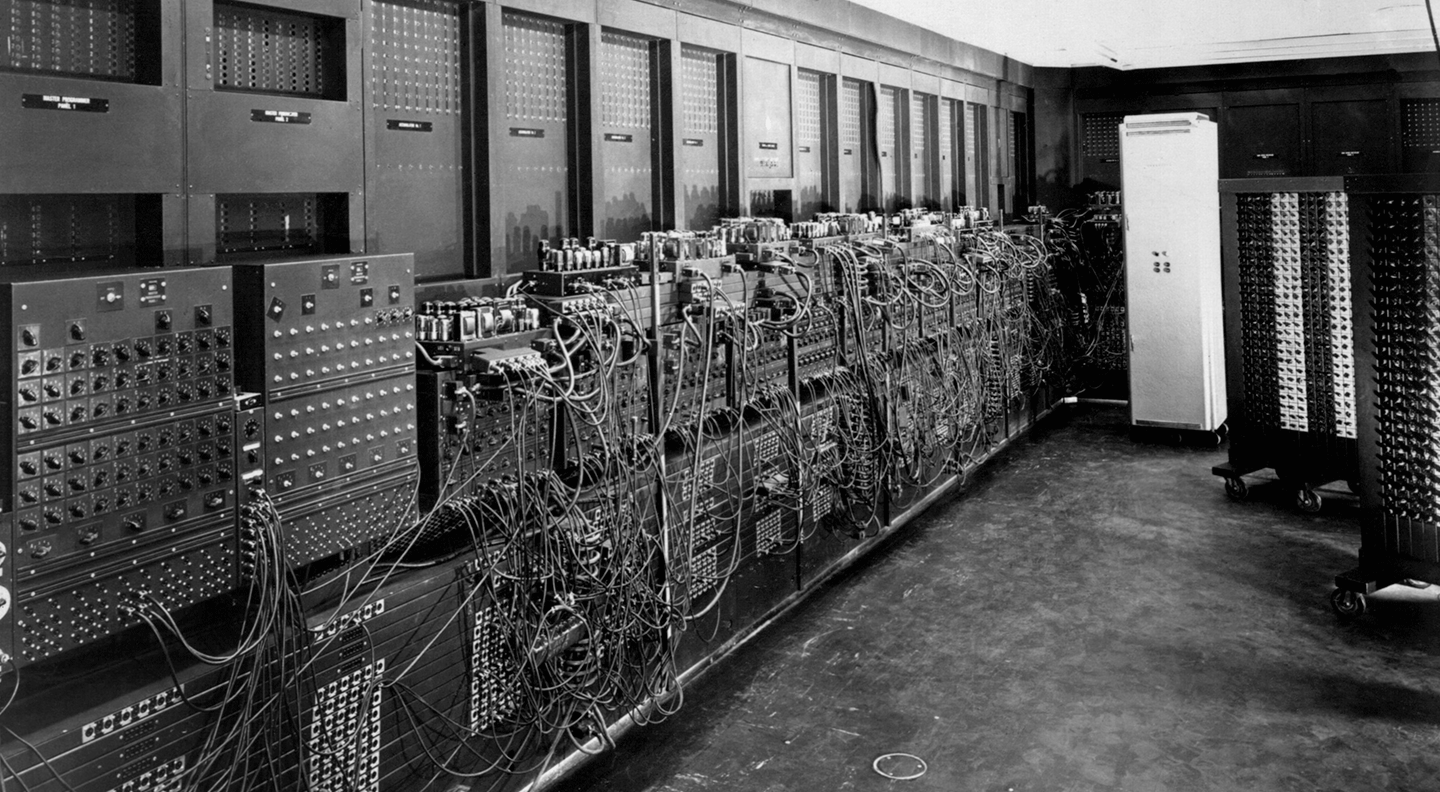
The Colossus, developed by British codebreakers, was used to decipher the German Lorenz cipher, while the ENIAC, developed in the United States, was designed for artillery trajectory calculations.
The Cold War - The Space Race
The Cold War era saw a significant increase in investment in technology, including computing, as the United States and the Soviet Union competed for technological supremacy.
The space race between the two superpowers led to advancements in computer technology, as both nations sought to develop more powerful and efficient computers for space exploration and military applications.
During this time, the development of integrated circuits and semiconductors was accelerated, which laid the foundation for modern computing.
The Nuclear Arm Race
The development of nuclear weapons during the Cold War also drove advancements in computing, as both the United States and the Soviet Union invested heavily in computer technology to manage and control their nuclear arsenals.
The need for precise calculations and simulations for nuclear weapons development and testing led to the creation of more powerful computers.
They became the base of networking and communication systems, which were crucial for command and control of nuclear forces.
ARPANET, the precursor to the modern internet, was developed in part to ensure communication resilience in the event of a nuclear attack.
Dark Web and Cyber Warfare
Dark Web has emerges a significant aspect that has been largely unregulated and has been used for various illicit activities, including cyber warfare.
The Onion Router
The Onion Router (TOR) is a network that allows users to browse the internet anonymously. It was originally developed by the United States Naval Research Laboratory to protect government communications.
TOR has since become widely used for both legitimate and illicit purposes, including by journalists, activists, and criminals.

This became a significant tool for anonymous communication over the internet. The TOR network make different layers of encryption to protect users' identities and activities, just like the layers of an onion, keeping up with it's name "Onion" Router.
Modern Warfare and AI
In recent years, the development of artificial intelligence (AI) and machine learning has been heavily influenced by military research. Heavy funding from defense agencies has driven advancements in AI, leading to the development of autonomous weapons systems, surveillance technologies, and cyber warfare capabilities.
The use of AI in warfare has raised ethical concerns and has led to debates about the future of warfare and the role of technology in it.
Conclusion
While war has historically been a significant driver of technological advancements, it is important to recognize the ethical implications and consequences of such advancements.
The development of computer technologies during wartime has led to significant advancements that have shaped the modern world, but it has also raised important questions about the use of technology in warfare and its impact on society.
My take is that while war can drive technological advancements, it is crucial to ensure that these advancements are used responsibly and ethically, and that the focus should be on using technology for the betterment of humanity rather than for destructive purposes.